by:
02/19/2025
0
Benjamin Thornton Montgomery (1819–1877)
Benjamin Thornton Montgomery was an enslaved African American inventor, landowner, and businessman who rose to prominence during and after the Civil War. His achievements challenged the racial and social norms of his time, making him a significant figure in Black history.
Early Life & Enslavement
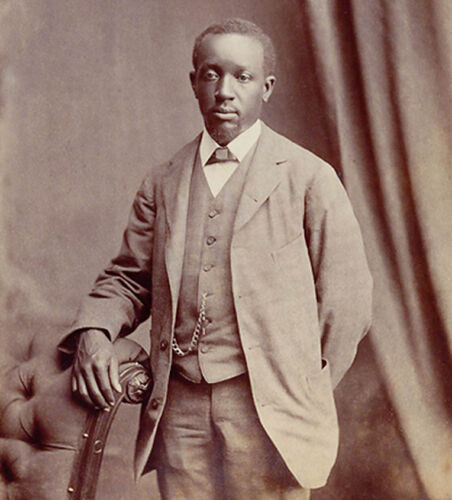 Born enslaved in 1819 in Virginia.
- Sold to Joseph Emory Davis, the older brother of Jefferson Davis (the future president of the Confederacy).
- Taken to Davis Bend, Mississippi, where he was enslaved on Davis's plantation.
Despite the limitations imposed by slavery, Montgomery showed an aptitude for engineering, mechanics, and business, which set him apart from others.
Achievements as an Enslaved Inventor
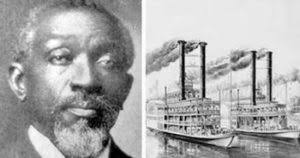 Montgomery became a skilled mechanic, architect, and land surveyor, earning the trust of Joseph Davis.
He designed and built steam-powered machines, including an improved steam-operated propeller for boats, intended to improve navigation in shallow waters.
In the 1850s, he patented his propeller design, but because he was enslaved, he could not legally hold a patent under U.S. law. His invention was ultimately denied recognition.
Freedom & Business Success
During the Civil War, Joseph Davis fled, and Montgomery took over the Davis Bend plantations.
After the war, Davis sold the plantation land to Montgomery in 1866, making him one of the wealthiest Black landowners in Mississippi.
Montgomery ran a successful general store and shipping business, employing freed Black w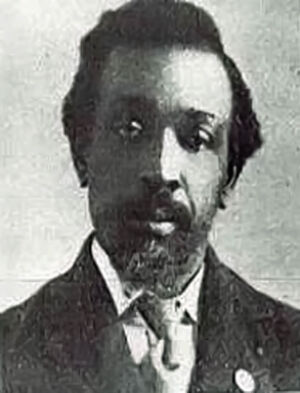 orkers and helping to create a self-sufficient Black community.
He continued inventing and managing agricultural projects, demonstrating Black economic independence in the post-war South.
Challenges & Legacy
After Reconstruction ended, white Southern elites forced him off the land and undermined his success.
He died in 1877, but his son, Isaiah Montgomery, went on to establish the all-Black town of Mound Bayou, Mississippi, in 1887, continuing his father’s legacy of Black economic empowerment.
Historical Significance
Montgomery’s story challenges the narrative that enslaved people were not innovators or business leaders.
He demonstrated how Black entrepreneurship and self-sufficiency could thrive, even in a hostile environment.
His denied patent highlights the racial inequalities in intellectual property laws during slavery.


 Live Steaming

 Groups

0 Comments on this post: